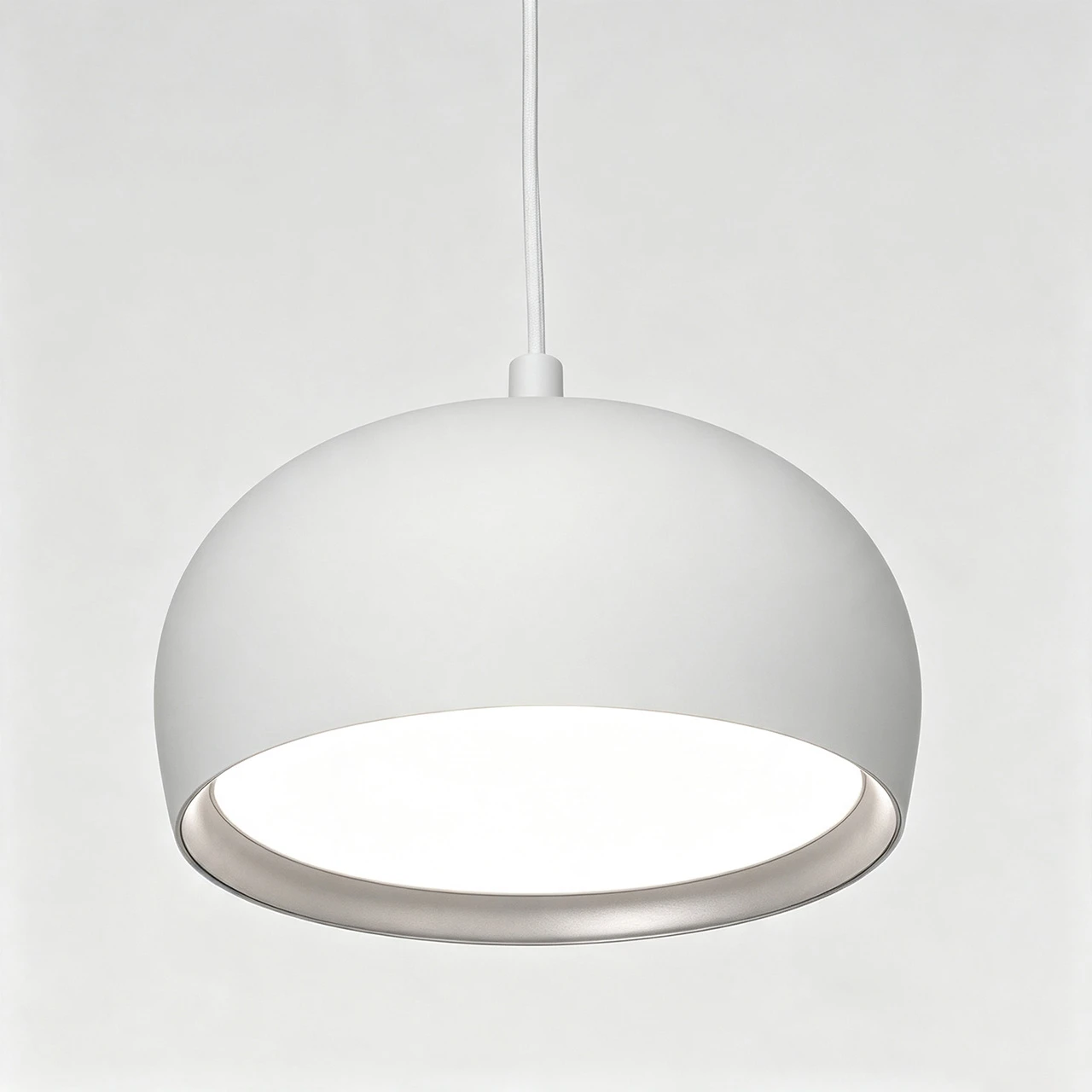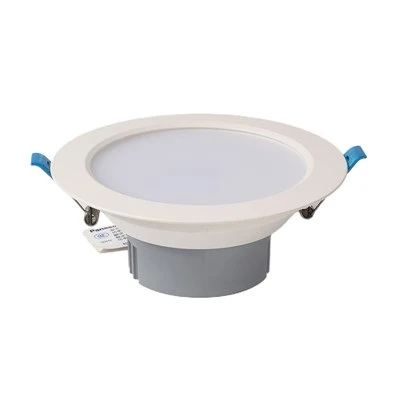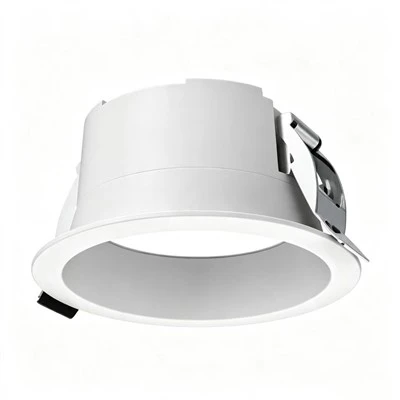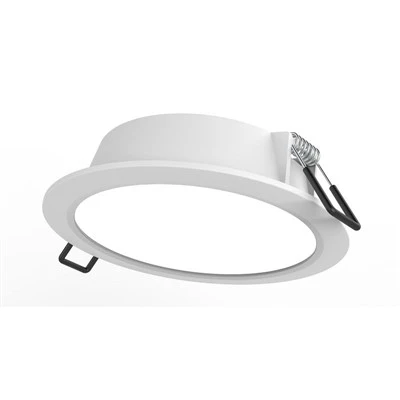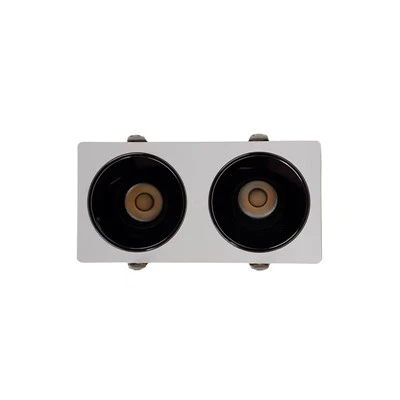

With the continuous development of modern architecture and lighting technology, fixed lighting fixtures have become essential lighting equipment for offices, commercial spaces, public buildings, and residential environments. Faced with a wide range of fixed lighting products with different functions and designs, selecting the right fixture according to actual requirements has become an important consideration for users. Industry professionals suggest that factors such as application environment, lighting performance, energy efficiency, safety quality, and installation method should all be evaluated to achieve a more comfortable and efficient lighting experience.
The first step in choosing fixed lighting fixtures is to identify the application environment. Different spaces have different lighting requirements. Offices usually focus on uniform illumination and visual comfort, commercial areas require enhanced display effects, while residential spaces often prioritize a warm atmosphere and convenience. Therefore, users should select lighting fixtures according to the purpose of the space to ensure that the lighting effect matches actual needs.
Light source performance is one of the most important factors when selecting fixed lighting fixtures. High-quality products should provide stable brightness output, excellent color rendering, and suitable color temperature. For environments where people work for long periods, fixtures with soft, flicker-free lighting are preferred to reduce visual fatigue. Choosing the right color temperature based on space characteristics can also create a more comfortable atmosphere. For example, warm lighting is suitable for relaxation areas, while neutral lighting is often better for offices and commercial environments.
Energy efficiency is another key consideration in fixed lighting selection. Currently, LED fixed lighting fixtures have become a popular choice due to their high efficiency, low energy consumption, and long lifespan. Users should pay attention to factors such as power rating, luminous efficiency, and energy utilization performance to select products that meet lighting requirements while reducing long-term operating costs.
Product quality and safety performance should not be overlooked. Since fixed lighting fixtures are usually installed for long-term use, structural stability, electrical safety, and thermal management are particularly important. High-quality fixtures should use reliable materials and effective heat dissipation designs to prevent overheating during continuous operation. Users should also check whether products meet relevant quality standards to ensure safer usage.
Installation method is another important factor when selecting fixed lighting fixtures. Depending on architectural structures and decoration requirements, fixed lighting fixtures are commonly available in ceiling-mounted, recessed, suspended, and wall-mounted designs. Different installation methods are suitable for different environments, so users should consider installation conditions and overall space design to achieve both aesthetic appeal and practical performance.
With the development of smart lighting technologies, intelligent features are becoming a growing trend in fixed lighting selection. Some products support brightness adjustment, remote control, scheduled operation, and smart scene settings, providing more personalized lighting experiences and improving user convenience.
Industry experts believe that fixed lighting fixtures will continue to develop toward smarter, more energy-efficient, and more personalized solutions. When selecting products, users should consider space requirements, product performance, and long-term value to choose fixtures that best suit their application environments and provide higher-quality lighting solutions for modern living and working spaces.