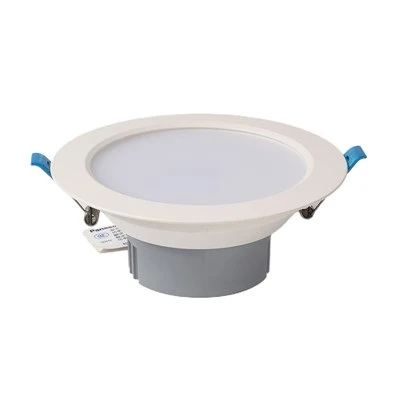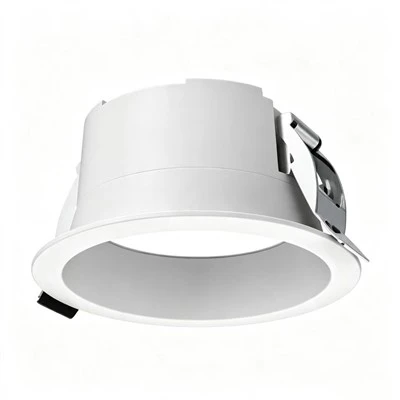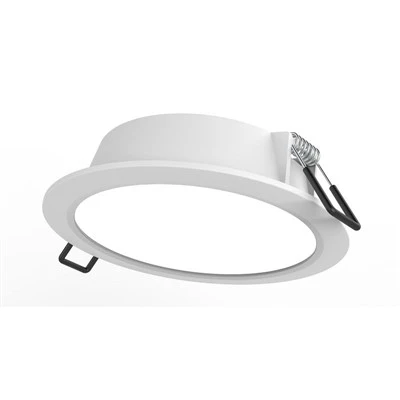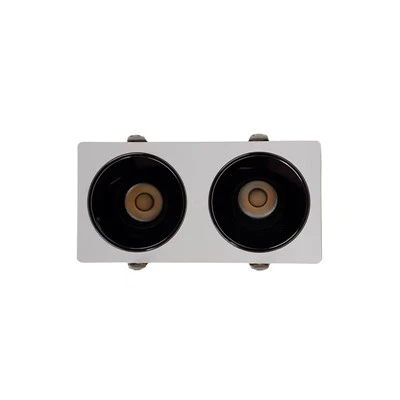

With increasing demand for safety lighting, LED emergency lights have become essential equipment in fire protection systems, public facilities, industrial environments, and commercial buildings. Featuring high energy efficiency, rapid response, and reliable performance, LED emergency lights use advanced LED technology and intelligent control systems to provide effective illumination during power failures and other emergency situations, helping support safe evacuation and operations.
The working principle of an LED emergency light is mainly based on automatic switching between normal power supply mode and emergency power mode. Under normal power conditions, the LED emergency light operates using the building's AC power supply. At the same time, its internal charging system continuously charges the backup battery to maintain sufficient energy storage. The control system also monitors the power status to ensure the device remains ready for emergency operation.
When a power outage, electrical fault, or other interruption of the main power supply occurs, the intelligent detection system inside the LED emergency light quickly identifies the voltage change and activates the automatic switching process. Within a short period of time, the power source is transferred from the main electricity supply to the backup battery, allowing the LED light source to continue operating and providing stable illumination. Since LED technology offers fast startup and low energy consumption, the emergency light can maintain operation for an extended period, improving safety performance.
The main components of an LED emergency light include the LED light module, charging management system, backup battery, intelligent control circuit, and housing structure. The backup battery stores electrical energy and serves as the power source during emergencies. The charging management system controls the charging and discharging process to prevent overcharging or excessive discharge, helping extend battery life. The intelligent control circuit monitors power conditions and manages the automatic transition between normal lighting and emergency lighting modes.
Some advanced LED emergency lights are also equipped with self-testing functions. Through built-in intelligent monitoring systems, these products can regularly check battery performance, light source operation, and circuit connections, providing maintenance reminders when necessary. This smart design improves equipment reliability and makes maintenance management more efficient.
LED emergency lights are widely used in shopping centers, office buildings, schools, hospitals, subway stations, airports, factories, and other public facilities. In these environments, emergency lights provide immediate illumination during unexpected power failures, helping people locate exits, evacuation routes, and important safety areas.
Industry experts believe that LED emergency lights will continue to develop toward smarter control, higher reliability, and longer operating duration as smart buildings and green lighting technologies advance. By integrating Internet of Things technology, intelligent monitoring systems, and high-performance battery solutions, LED emergency lights will play an increasingly important role in safety lighting and provide stronger protection for public environments.