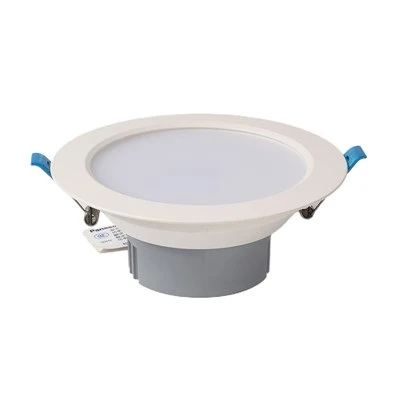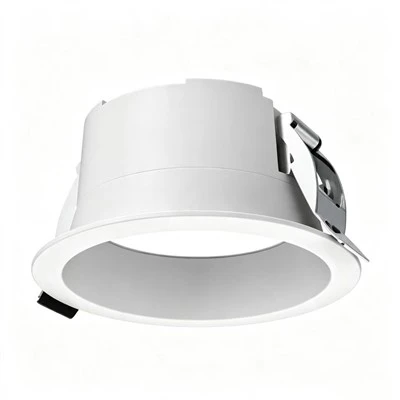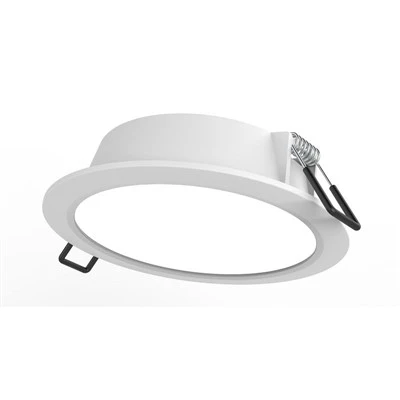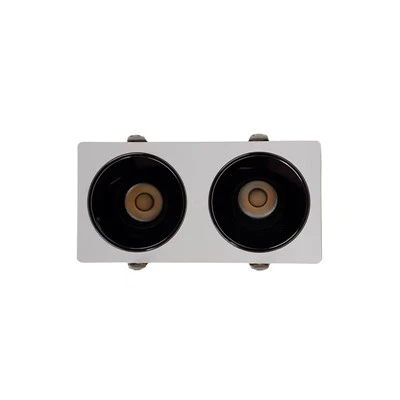

With the continuous improvement of building safety standards and the rapid development of smart lighting technology, LED emergency lights have become an essential part of modern safety lighting systems. Featuring energy efficiency, fast response, automatic control, and reliable performance, LED emergency lights not only meet basic emergency lighting requirements but also provide enhanced safety protection for public facilities, industrial environments, and commercial buildings through advanced functions.
The most important function of LED emergency lights is providing illumination during power failures. Under normal power conditions, these fixtures can operate as regular lighting equipment while their internal charging systems store energy in backup batteries. When a power outage, electrical abnormality, or unexpected failure occurs, LED emergency lights automatically detect the power change and quickly switch to backup power mode, allowing the LED light source to continue operating and providing continuous illumination to prevent safety risks caused by darkness.
Automatic switching is a key feature that distinguishes LED emergency lights from ordinary lighting fixtures. Through intelligent control circuits, these devices continuously monitor external power conditions and quickly switch between normal power supply and emergency power modes. This automated design requires no manual operation and improves emergency response efficiency, making it especially suitable for crowded locations such as shopping centers, hospitals, schools, subway stations, and office buildings.
LED emergency lights also provide excellent energy-saving performance. By using LED technology, these fixtures deliver stable brightness with lower energy consumption and achieve higher efficiency compared with traditional lighting products. In addition, LED light sources generate less heat, and when combined with effective thermal management designs, they help reduce component wear, extend product lifespan, and lower long-term maintenance costs.
Intelligent self-testing is another important function of modern LED emergency lights. Some advanced models include built-in monitoring systems that regularly check battery capacity, light source performance, and circuit conditions. When abnormal situations are detected, the system can notify maintenance personnel, improving equipment reliability. This feature reduces the need for manual inspections and makes safety management more efficient.
Beyond basic emergency illumination, some LED emergency lights also support remote monitoring and intelligent management functions. By connecting to smart management platforms, users can monitor equipment status in real time, manage multiple lighting units centrally, receive fault alerts, analyze operational data, and maintain service records, improving overall management efficiency.
In terms of applications, LED emergency lights are widely used in public buildings, commercial facilities, industrial plants, transportation systems, and residential areas. During emergencies such as fires or power interruptions, these lights help people quickly locate exits and evacuation routes, providing essential support for safe evacuation.
Industry experts believe that with the integration of Internet of Things technology, artificial intelligence, and smart building systems, LED emergency lights will continue to improve in automated control, remote management, energy optimization, and safety protection. In the future, they will provide more intelligent, efficient, and reliable lighting solutions for modern safety systems.