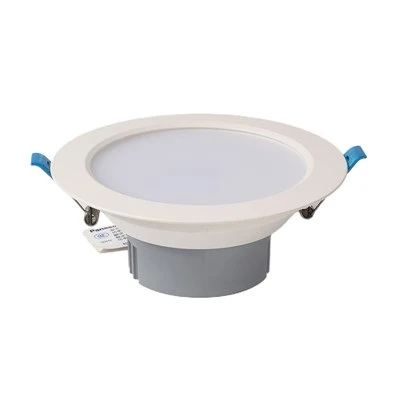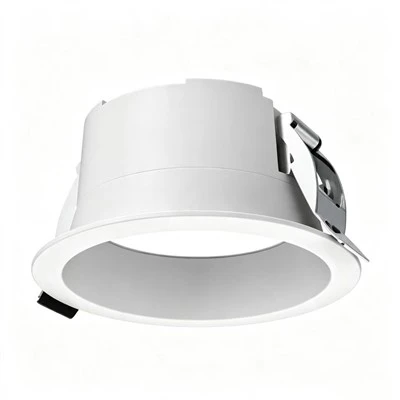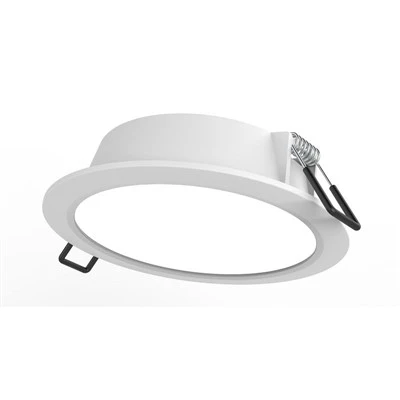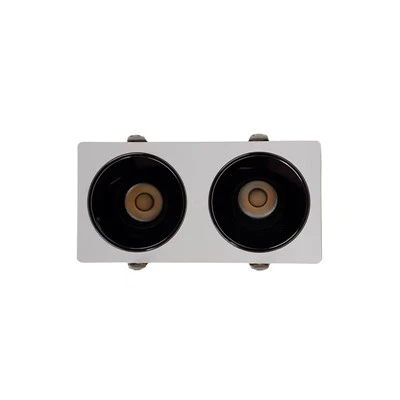

With the continuous improvement of modern building functions and increasing demand for safety lighting, the design concepts of LED emergency lights are constantly evolving. From traditional lighting devices with single functions to advanced solutions integrating energy efficiency, safety, intelligence, and user-oriented design, LED emergency lights have become an important part of modern lighting systems. Through optimized structures, advanced technologies, and attention to practical user needs, LED emergency lights provide more reliable safety lighting solutions for various environments.
Safety is the primary design principle of LED emergency lights. As specialized lighting equipment, emergency lights must maintain stable operation during power failures, fires, or other emergency situations to support evacuation and safe operations. Therefore, product design focuses on fast response, stable power supply, and continuous illumination. By using highly reliable LED modules, intelligent control systems, and backup power structures, LED emergency lights can operate effectively when they are needed most.
Energy efficiency and environmental protection are also important design concepts for modern LED emergency lights. Compared with traditional lighting products, LED technology provides higher energy conversion efficiency and lower power consumption while maintaining excellent illumination performance. Designers improve overall efficiency through optimized light source configurations, enhanced power management, and improved thermal structures, allowing products to maintain stable performance during long-term operation while supporting sustainable lighting development.
Intelligent design has become a major direction in the development of LED emergency lights. With the advancement of Internet of Things technology and smart buildings, modern LED emergency lights increasingly incorporate intelligent control features. For example, remote monitoring systems allow managers to check equipment conditions in real time, while automatic testing functions help identify issues related to batteries and circuits. These intelligent solutions improve maintenance efficiency and strengthen overall safety management.
Human-centered design is also receiving greater attention. During the product development process, manufacturers focus more on user experience by improving installation methods, simplifying maintenance procedures, and enhancing lighting comfort. Different installation options allow LED emergency lights to adapt to walls, ceilings, and specialized spaces, while soft and uniform illumination reduces glare and creates a more comfortable visual environment.
In addition, modular design and durability have become important trends in LED emergency light development. Modular structures make maintenance and component replacement easier, extending product service life. Enhanced protection features and environmental adaptability also allow LED emergency lights to operate effectively in challenging locations, including industrial areas, underground spaces, and outdoor facilities.
Industry experts believe that future LED emergency light designs will continue to focus on safety, energy efficiency, intelligence, and sustainability. With the continuous application of new materials, advanced technologies, and smart systems, LED emergency lights will further improve reliability and practical value, providing more advanced solutions for smart city development and modern safety lighting systems.