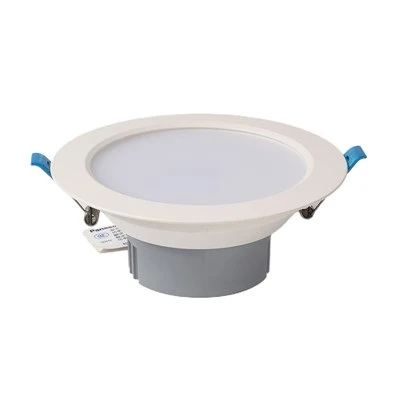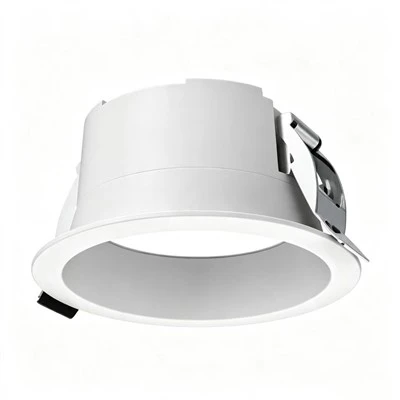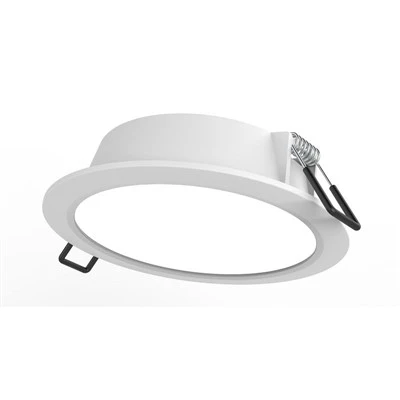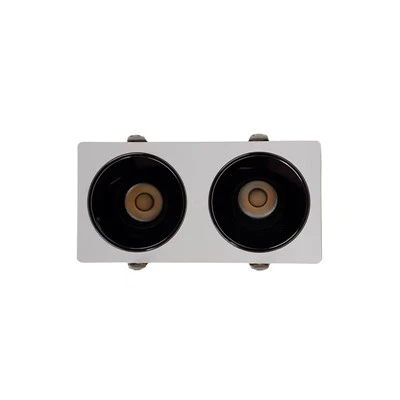

With the continuous development of LED lighting technology, LED spotlights have become important products in commercial displays, residential lighting, architectural decoration, and industrial applications due to their high brightness, low energy consumption, long lifespan, and precise beam control. Compared with traditional spotlights, LED spotlights use advanced semiconductor lighting technology and optimized optical designs to achieve more efficient, stable, and environmentally friendly illumination. Understanding their working principles helps demonstrate their technological advantages and practical value.
The working principle of LED spotlights is mainly based on the electrical-to-light conversion process of light-emitting diodes. When electric current passes through an LED chip, electrons and holes inside the semiconductor material combine and release energy in the form of visible light. This process is known as electroluminescence. Unlike traditional lighting products that generate light through heated filaments or gas discharge, LED spotlights directly convert electrical energy into light energy, achieving higher energy efficiency.
The main components of an LED spotlight include the LED light module, driver power supply, thermal management structure, optical lens, and housing. The LED chip is the core component responsible for producing light, and its performance directly affects brightness, color quality, and service life. The driver power supply converts input voltage into a stable current, providing a suitable operating environment for the LED chip and preventing performance issues caused by electrical fluctuations.
During LED spotlight operation, the thermal management system plays an important role. Although LED technology offers higher efficiency than traditional light sources, it still generates heat during operation. If heat cannot be effectively dissipated, it may affect chip performance and shorten product lifespan. Therefore, modern LED spotlights commonly use aluminum heat sinks, high-conductivity materials, and optimized internal structures to improve heat transfer efficiency and ensure stable long-term operation.
Precise beam control is one of the key technical features of LED spotlights. Through specially designed optical lenses and reflective structures, LED spotlights can control light distribution and focus illumination on specific areas, creating effective accent lighting. This directional lighting method reduces unnecessary light loss and improves lighting efficiency, making LED spotlights widely used in retail displays, hotels, museums, restaurants, and architectural lighting projects.
In addition, LED spotlights can offer brightness adjustment and smart control functions. Some products support remote operation, scheduling, dimming, and scene switching through intelligent systems, allowing lighting to better adapt to different environments. With the development of smart homes and Internet of Things technologies, LED spotlights are becoming increasingly intelligent and customizable.
Industry experts believe that future LED spotlights will continue to develop toward higher efficiency, precise illumination, intelligent control, and sustainable design. Through continuous improvements in chip technology, optical engineering, and manufacturing processes, LED spotlights will play a greater role in various fields and provide higher-quality, more sustainable lighting solutions for modern environments.