
With the continuous advancement of LED lighting technology, LED spotlights have become an important part of modern lighting systems due to their energy efficiency, high brightness, long lifespan, and precise beam control. Compared with traditional spotlights, LED spotlights offer significant advantages in light source performance, energy utilization, thermal management, and intelligent control. They are widely used in commercial displays, residential spaces, architectural decoration, hotels, and public environments, providing users with more efficient, comfortable, and environmentally friendly lighting experiences.
One of the most important features of LED spotlights is high energy efficiency. By using semiconductor LED light sources, these fixtures can produce stable and bright illumination with lower power consumption, improving overall energy utilization. Under the same lighting conditions, LED spotlights consume less electricity than traditional light sources, helping reduce long-term operating costs. Their lower power consumption also reduces heat generation and contributes to better product stability.
Precise illumination is a key characteristic that distinguishes LED spotlights from ordinary lighting products. LED spotlights are usually equipped with professional optical lenses or reflective structures that control beam angles and lighting areas, directing light accurately onto specific locations. This focused lighting approach highlights important areas and enhances spatial depth, making LED spotlights especially suitable for product displays, artwork illumination, architectural lighting, and decorative applications.
Long service life is another major advantage of LED spotlights. Since LED technology uses solid-state lighting, it does not rely on filaments or gas discharge, providing excellent durability and stability. High-quality LED spotlights can maintain reliable operation for extended periods under normal conditions, reducing maintenance costs caused by frequent replacements. Advanced thermal management designs also help lower internal temperatures and further extend product lifespan.
LED spotlights also provide excellent color performance. Through different color temperature options and color rendering designs, LED spotlights can create more natural lighting effects and meet various requirements for atmosphere creation and visual presentation. For example, commercial spaces can use different color temperatures to enhance product displays, while residential environments can create comfortable living atmospheres with softer illumination.
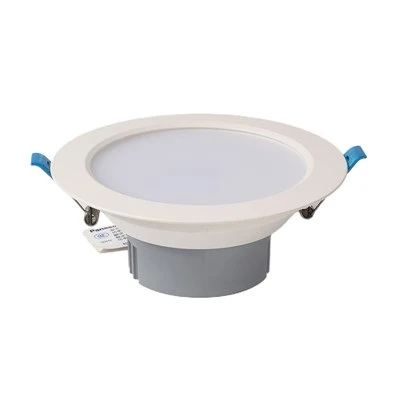
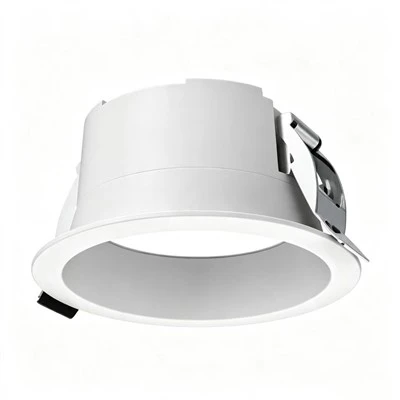
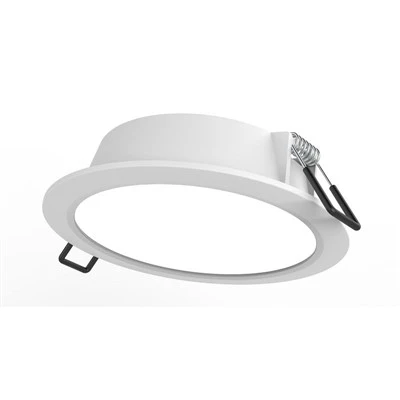
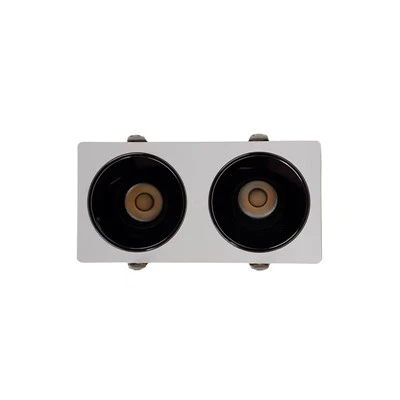
In terms of structural design, LED spotlights feature compact size and flexible installation options. Depending on application requirements, products are available in recessed, track-mounted, and surface-mounted designs, allowing them to adapt to different architectural spaces. Modern LED spotlights also feature simple and attractive appearances that complement various interior styles while enhancing overall decoration.
With the development of smart lighting technologies, some LED spotlights now include intelligent control functions such as remote adjustment, brightness control, scheduling, and scene customization, making lighting management more convenient and personalized.
Industry experts believe that LED spotlights will continue to develop toward higher efficiency, smarter operation, and more sustainable designs. Through ongoing improvements in light source technology, optical engineering, and manufacturing processes, LED spotlights will create greater value across more application areas and provide advanced solutions for the future of modern lighting.