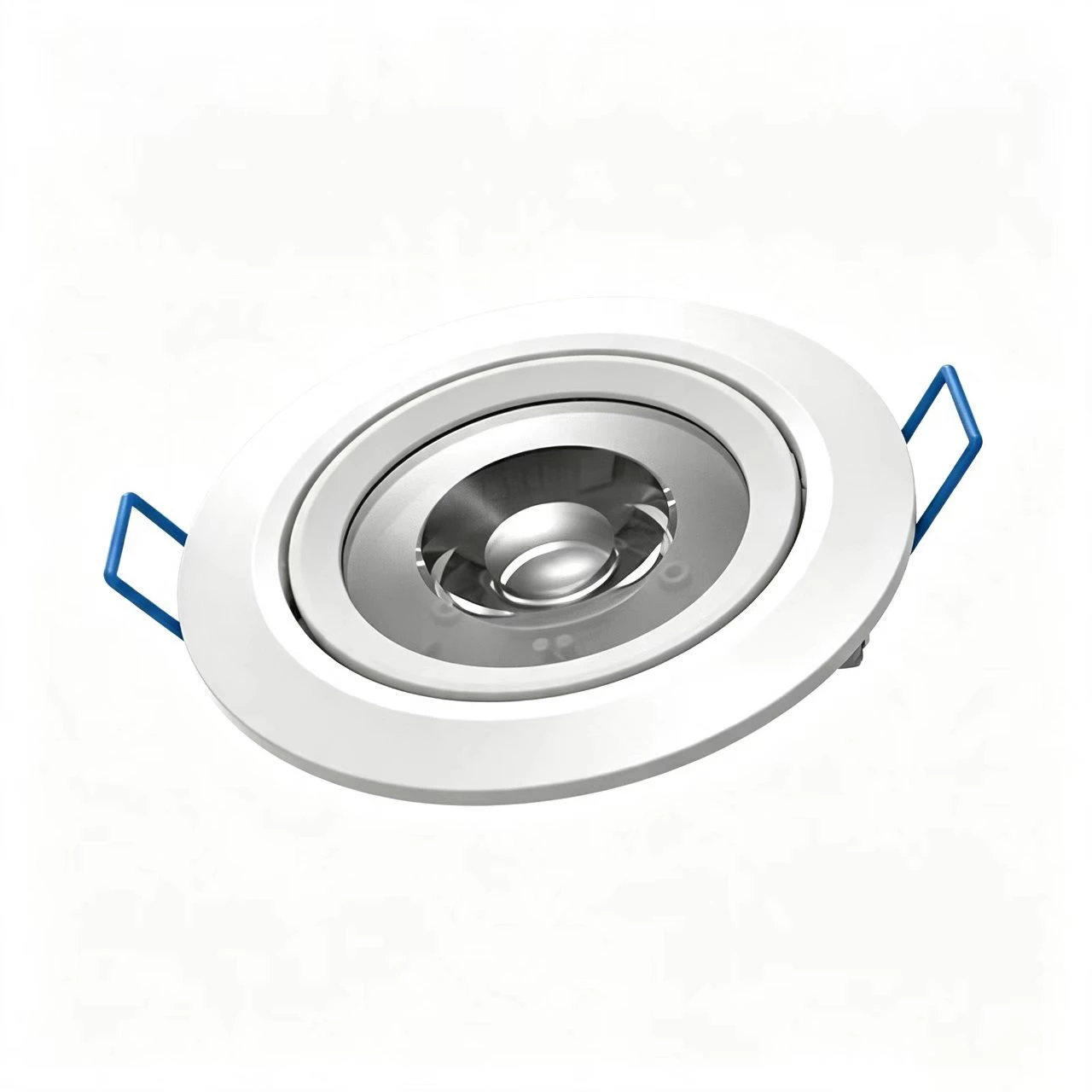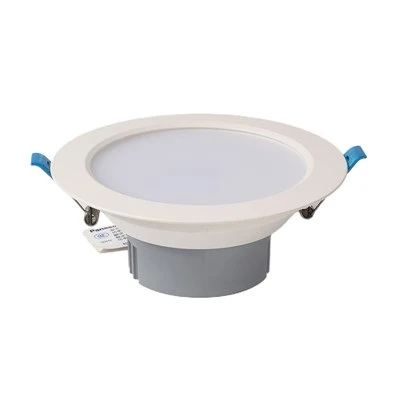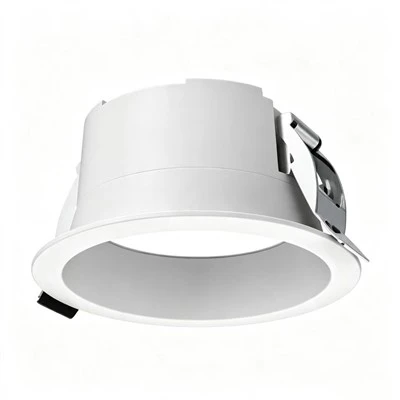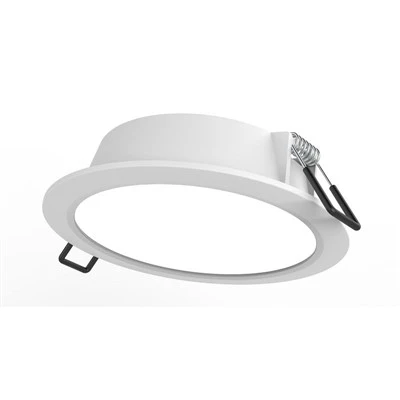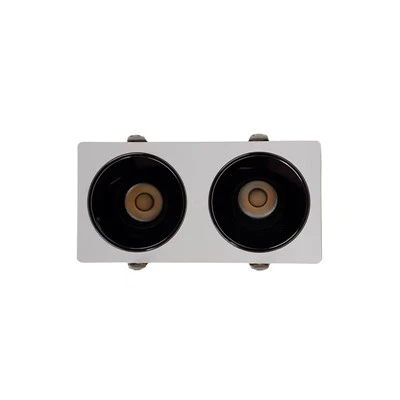

With the rapid growth of the LED lighting market and increasing demand for higher lighting quality, performance testing has become an essential part of LED spotlight production. Through scientific and systematic testing procedures, manufacturers can comprehensively evaluate optical performance, electrical safety, thermal management, and service life, ensuring that LED spotlights deliver stable and efficient lighting in various application environments.
Optical performance testing is one of the most important aspects of LED spotlight evaluation. Parameters such as luminous flux, luminous efficiency, color temperature, color rendering index, and beam distribution directly affect lighting quality. During testing, professional equipment measures light output and analyzes brightness performance and distribution characteristics to ensure that products meet the requirements of different applications. For example, commercial display areas require precise beam control, while offices and residential spaces focus more on comfortable and balanced illumination.
Electrical performance testing is another important part of LED spotlight quality control. Testing procedures typically evaluate input voltage, current, power consumption, and power factor to determine whether the driver system can operate reliably. A high-quality driver reduces current fluctuations, prevents flickering issues, improves LED chip stability, and extends product lifespan.
Thermal performance testing is also critical for LED spotlights. Since LED chips generate heat during operation, prolonged exposure to high temperatures may affect product performance. Manufacturers commonly use temperature measurement and thermal cycling tests to evaluate the effectiveness of heat dissipation structures. By analyzing temperature changes and heat transfer efficiency, companies can determine whether products have sufficient thermal management capabilities for long-term operation.
Reliability testing is a key stage in LED spotlight performance evaluation. Through simulated long-term operating conditions, products undergo aging tests, continuous operation tests, and environmental adaptability tests to verify durability. Conditions such as high temperatures, low temperatures, and humidity variations are often simulated to assess how well LED spotlights perform in different environments.
Safety testing is another essential part of the evaluation process. LED spotlights must undergo insulation testing, electrical protection checks, circuit safety evaluations, and flame-retardant material inspections to ensure compliance with safety requirements. Comprehensive safety testing helps reduce potential risks and increases user confidence in product reliability.
With the development of smart lighting technology, some LED spotlights also require additional intelligent function testing. Products featuring dimming, remote control, and smart connectivity functions need to undergo communication stability tests, response speed evaluations, and system compatibility checks to ensure reliable operation of smart features.
Industry experts believe that future LED spotlight performance testing will become more intelligent, precise, and comprehensive. Through advanced testing equipment and strict quality management systems, LED spotlights will continue to improve in efficiency, safety, and reliability, providing higher-quality lighting solutions for commercial, residential, and public environments.