
As energy-efficient lighting continues to gain popularity, LED downlights have become a preferred solution for homes, commercial buildings, offices, and hotels. Their low power consumption, long service life, and reliable performance make them an essential part of modern interior lighting. Understanding how LED downlights work helps users make better decisions when selecting lighting products.
At the heart of every LED downlight is a light-emitting diode (LED). When an electric current passes through the semiconductor chip, electrons combine with holes inside the material, releasing energy in the form of visible light. Unlike traditional incandescent bulbs that generate light by heating a filament, LEDs produce light through electroluminescence, resulting in significantly higher energy efficiency and lower power consumption.
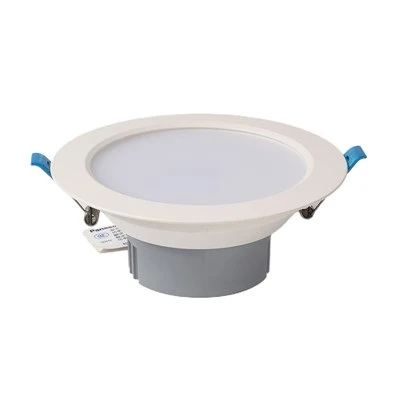
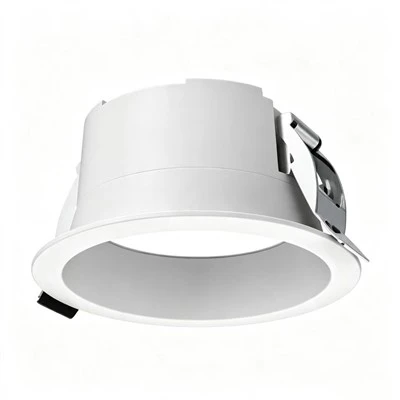
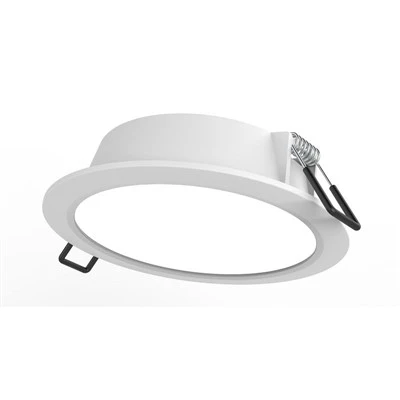
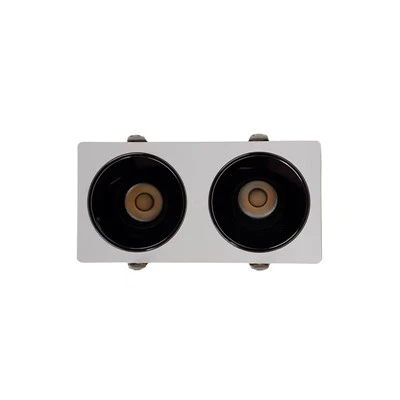
A complete LED downlight consists of several key components, including the LED light source, a constant-current driver, a heat dissipation system, optical lenses or reflectors, and the housing. The constant-current driver converts alternating current (AC) into stable direct current (DC) while maintaining a consistent output current. This ensures stable illumination, minimizes brightness fluctuations, and helps extend the lifespan of the LED chips.
Heat management is another critical factor affecting the performance of LED downlights. Although LEDs are highly efficient, they still generate heat during operation. Without effective thermal management, excessive heat can reduce luminous efficiency and shorten the product's service life. For this reason, high-quality LED downlights are commonly designed with aluminum heat sinks and optimized cooling structures to improve heat dissipation and ensure long-term reliability.
With the rapid development of smart lighting technology, many LED downlights now support dimming, adjustable color temperature, and intelligent control systems. These features allow users to create customized lighting environments while further improving energy efficiency and overall user comfort.
Industry experts believe that ongoing advancements in LED chip performance, driver technology, and smart lighting systems will continue to expand the applications of LED downlights. As demand for sustainable buildings and intelligent lighting solutions grows, LED downlights are expected to play an increasingly important role in shaping the future of modern illumination.