
As architectural lighting and interior design continue to evolve, LED downlights have become one of the most widely used lighting products in modern buildings. Their energy efficiency, clean appearance, and reliable performance make them an ideal choice for homes, offices, hotels, retail stores, and other commercial environments. Understanding what defines an LED downlight provides valuable insight into its role in today's lighting industry.
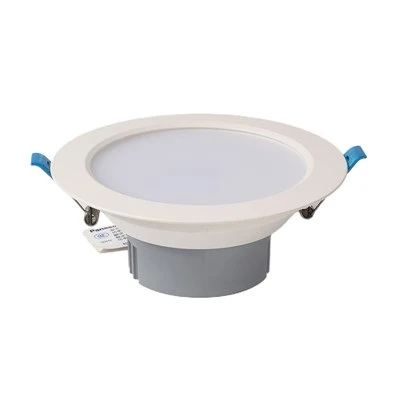
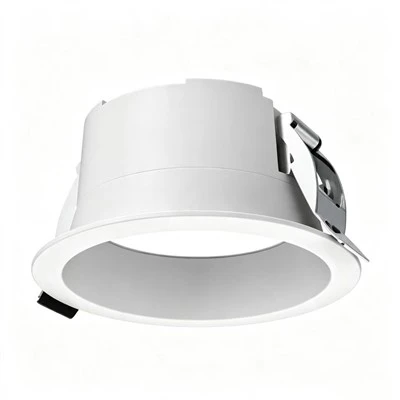
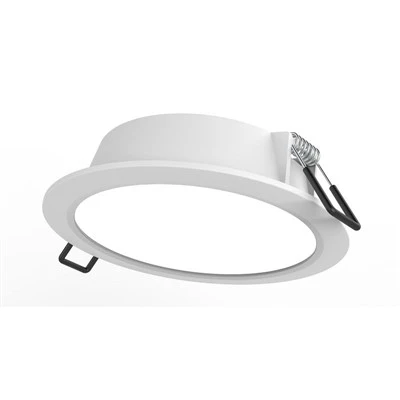
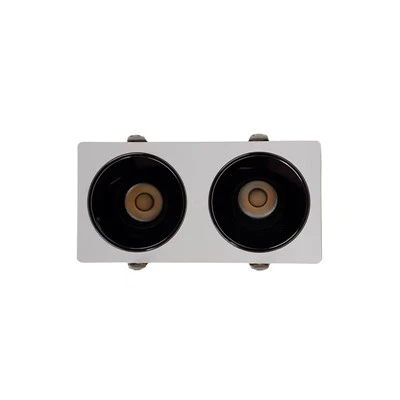
An LED downlight is a recessed lighting fixture that uses light-emitting diodes (LEDs) as its primary light source. It is typically installed into ceilings or suspended ceiling systems, allowing the fixture to blend seamlessly with the surrounding architecture while providing focused and comfortable illumination. Compared with conventional recessed lighting, LED downlights offer significantly higher energy efficiency, longer service life, and lower maintenance requirements, making them an increasingly popular lighting solution.
A standard LED downlight consists of several essential components, including LED chips, a constant-current driver, a thermal management system, optical elements, and a durable housing. These components work together to deliver stable lighting performance, efficient heat dissipation, and consistent light distribution. Advances in manufacturing technology have also enabled slimmer designs, lighter structures, and easier installation, allowing LED downlights to adapt to a wide variety of interior spaces.
In practical applications, LED downlights are commonly used for general illumination, accent lighting, and task lighting. They are available in different wattages, beam angles, color temperatures, and color rendering levels, enabling designers and users to create lighting environments that suit various architectural and decorative requirements. Many modern products also support dimming, adjustable color temperature, and smart control systems, providing greater flexibility and convenience for both residential and commercial applications.
As demand continues to grow for sustainable buildings and energy-efficient technologies, LED downlights are evolving toward higher luminous efficiency, improved color quality, enhanced reliability, and smarter control capabilities. With ongoing innovations in LED chips, driver electronics, and intelligent lighting systems, LED downlights are expected to play an even more significant role in the future of modern lighting, delivering comfortable, efficient, and environmentally responsible illumination for a wide range of applications.