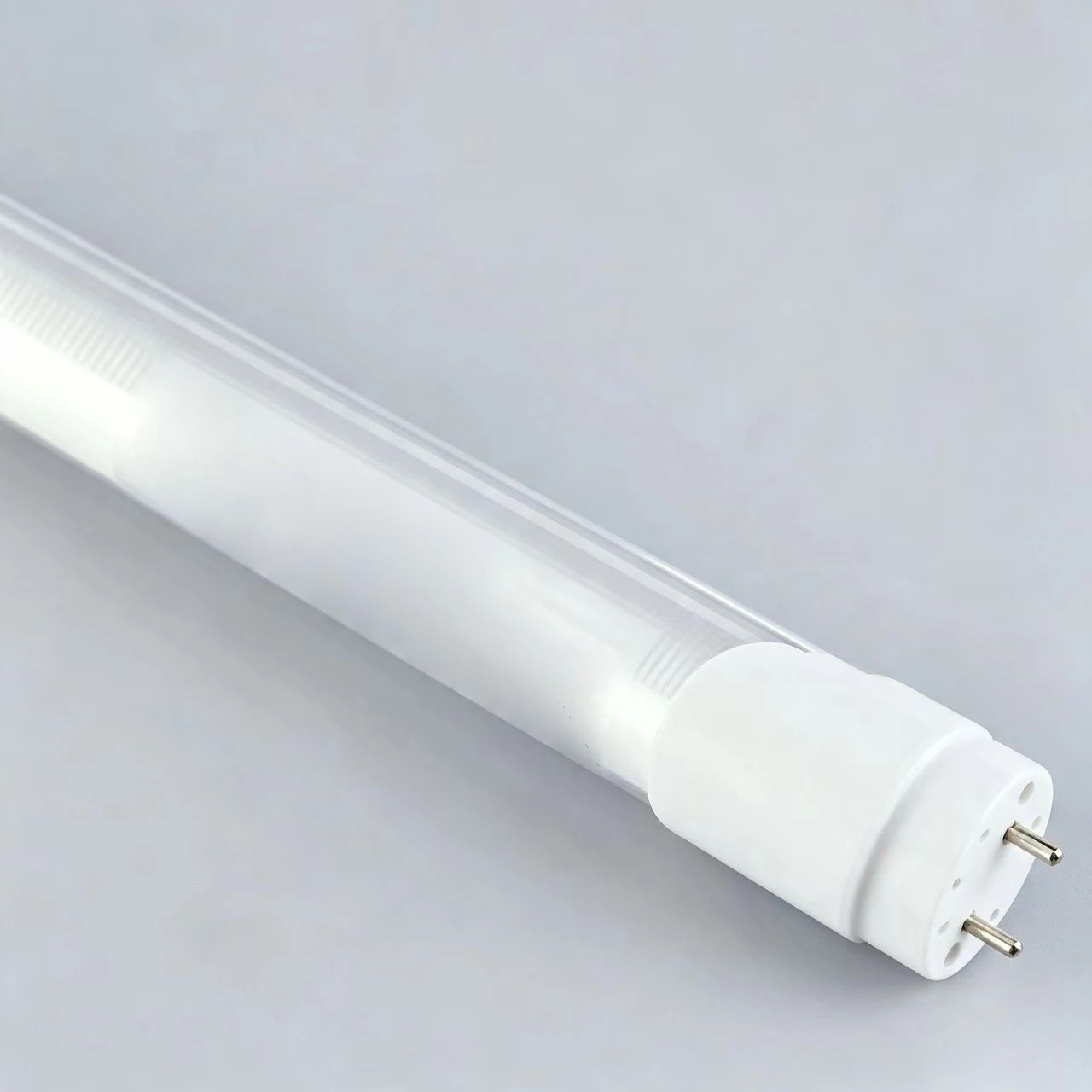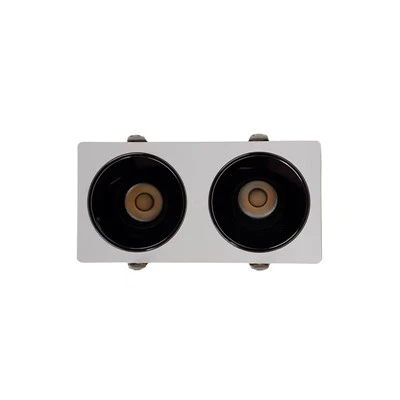

With the rapid development of LED lighting technology, LED batten lights have become widely used in factories, warehouses, shopping centers, underground areas, offices, and many other environments due to their energy efficiency, high brightness, easy installation, and long service life. As an important part of modern lighting systems, the manufacturing process of LED batten lights directly affects product performance, reliability, and lifespan. Through continuous improvements in production methods and technology applications, LED batten light manufacturing is moving toward higher precision, smarter production, and improved quality.
The production of LED batten lights begins with the selection of raw materials. High-quality LED chips, driver power supplies, housing materials, thermal components, and optical parts provide the foundation for reliable product performance. During manufacturing, companies must carefully select materials to ensure that every component offers excellent stability and durability. The LED chip determines lighting efficiency and brightness performance, the driver affects operational stability, and thermal materials play an important role in long-term reliability.
During the manufacturing process, LED batten lights undergo light source assembly. According to product design requirements, LED components are arranged in suitable configurations and connected through precise soldering processes to create stable lighting modules. Advanced automated equipment improves production accuracy, reduces human errors, and ensures that each lighting module meets consistent performance standards.
Driver installation is another critical stage in LED batten light production. The driver converts input voltage into a stable current suitable for LED operation, ensuring reliable performance. During production, driver modules undergo various tests, including voltage stability checks, current output evaluations, and safety protection inspections, ensuring that products can operate effectively under different conditions.
Thermal structure manufacturing is an essential part of LED batten light production. Since LED light sources generate heat during operation, effective heat dissipation is required to maintain performance. Manufacturers typically use aluminum materials, efficient thermal designs, and optimized internal structures to improve heat transfer, reduce internal temperatures, and extend product service life.
After the main components are assembled, LED batten lights undergo multiple quality inspections, including optical testing, electrical safety checks, aging tests, and appearance evaluations. Optical testing examines brightness, color temperature, and light uniformity. Electrical testing verifies product safety performance, while aging tests simulate long-term operation to evaluate overall reliability.
With the development of smart manufacturing technologies, more LED batten light manufacturers are adopting automated production lines and intelligent testing equipment to improve efficiency and product consistency. Some advanced LED batten lights also integrate smart control features to meet the increasing demands of modern lighting systems.
Industry experts believe that future LED batten light manufacturing processes will continue to develop toward greater energy efficiency, intelligence, and environmental sustainability. By improving production techniques, enhancing technological capabilities, and strengthening quality management, LED batten lights will provide more stable, efficient, and durable lighting solutions across a wider range of applications.