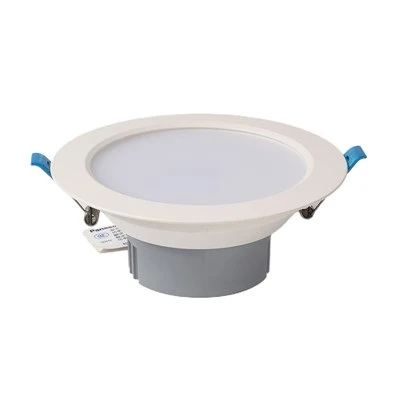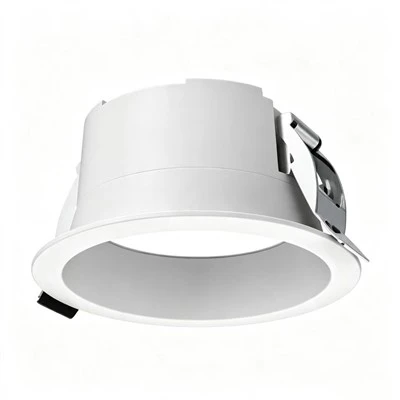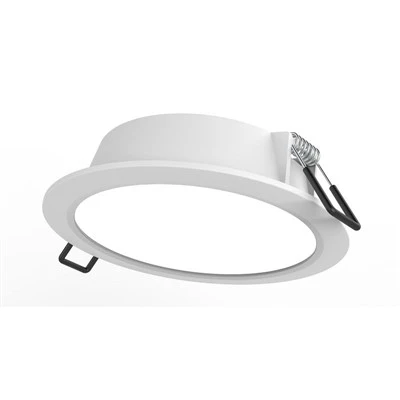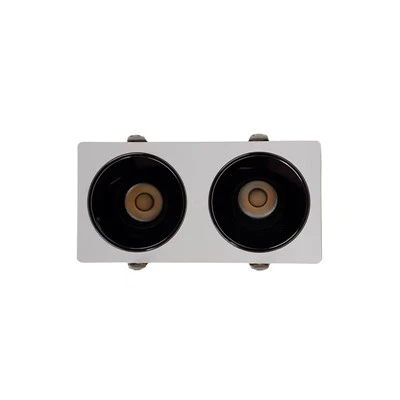

With increasing attention toward safety lighting, LED emergency lights have become an important part of building safety systems and public lighting applications. Featuring energy efficiency, fast response, and reliable performance, LED emergency lights use advanced LED technology and intelligent control systems to provide effective illumination during emergencies, supporting evacuation, emergency operations, and lighting needs in special environments.
The most fundamental feature of LED emergency lights is their emergency illumination capability. Unlike ordinary lighting fixtures, LED emergency lights are equipped with backup power systems. Under normal power conditions, they can provide regular lighting while charging the internal battery. When a power outage or electrical failure occurs, the fixture automatically switches to backup power mode and quickly activates emergency lighting to prevent the environment from becoming completely dark.
Energy efficiency is one of the major advantages of LED emergency lights. LED technology offers excellent electrical-to-light conversion efficiency, providing sufficient brightness while reducing energy consumption. Compared with traditional lighting sources, LED emergency lights operate with lower energy costs and generate less heat, which improves product stability and extends service life. These advantages make them an important solution for sustainable lighting development.
Fast response capability is another significant characteristic of LED emergency lights. Because LED light sources can start almost instantly, the fixture can quickly enter emergency operation mode once an abnormal power condition is detected. This feature is particularly valuable in crowded locations such as shopping centers, hospitals, schools, subway stations, and office buildings, where immediate lighting support helps people identify exits and evacuation routes.
LED emergency lights are also designed for high reliability. Their structure typically includes LED modules, intelligent control circuits, charging systems, backup batteries, and protective housings. These components work together to ensure stable long-term operation. Some advanced models include battery monitoring, self-testing, and warning functions, allowing users to identify potential problems and improve maintenance efficiency.
In terms of design, modern LED emergency lights focus on installation flexibility and environmental adaptability. Depending on application requirements, products are available in various installation formats, including wall-mounted, ceiling-mounted, and recessed designs. They can be used in residential buildings, commercial facilities, industrial environments, and public spaces. Some models also feature dust resistance, moisture protection, and enhanced protection ratings for more demanding conditions.
Industry experts believe that LED emergency lights will continue to improve in intelligent control, remote monitoring, battery performance, and safety features with the development of smart buildings, Internet of Things technologies, and renewable energy solutions. These advancements will provide more reliable and efficient safety lighting systems for modern cities and public environments.