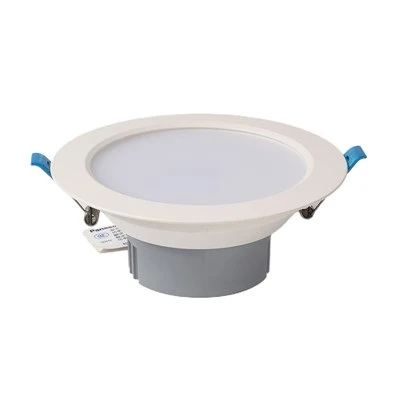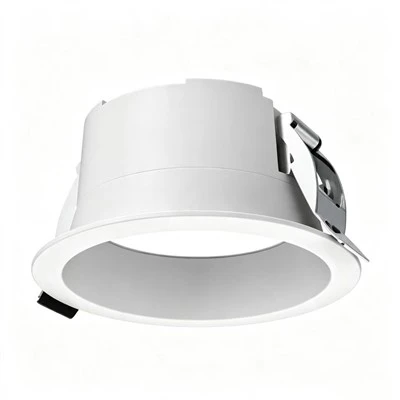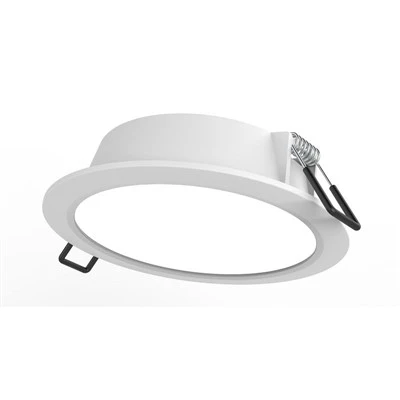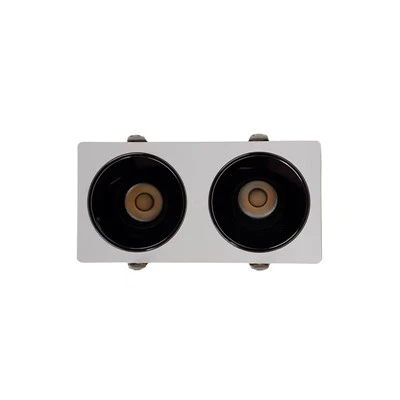

With the rapid growth of the LED lighting market and increasing demand for higher product quality, the manufacturing processes of LED ceiling lights continue to evolve. From selecting core components to final assembly, and from optical design to performance testing, modern LED ceiling lights are produced through refined manufacturing procedures that enhance lighting performance, reliability, and service life, providing dependable lighting solutions for residential, commercial, and public environments.
The production of LED ceiling lights begins with the selection of high-quality materials. Essential components such as LED chips, driver power supplies, aluminum heat dissipation materials, light-guiding panels, diffusers, and housings all play important roles in determining product performance. Manufacturers carefully select materials based on product requirements and application conditions to ensure excellent efficiency, thermal performance, safety, and durability.
During the production of LED light modules, key processes include chip mounting, soldering, and electrical testing. Advanced equipment is used to accurately install LED chips onto circuit boards, followed by performance inspections to ensure stable light output. Proper circuit design and high-quality soldering techniques help reduce potential failures and improve overall operational reliability.
The manufacturing of driver power supplies is another critical stage in LED ceiling light production. Driver systems undergo component installation, circuit adjustment, and safety testing to ensure stable current output and provide a reliable operating environment for LED modules. High-quality drivers not only extend product lifespan but also help reduce flickering issues and improve visual comfort.
During the final assembly process, manufacturers complete multiple steps, including LED module installation, driver connection, thermal structure assembly, diffuser installation, and appearance inspection. Modern LED ceiling light production increasingly adopts automated and precision manufacturing technologies to improve efficiency while maintaining consistent product quality and processing accuracy.
Quality control is an essential part of LED ceiling light manufacturing. After assembly, products undergo various tests, including optical performance evaluation, aging tests, safety inspections, and reliability verification. By simulating long-term operating conditions, manufacturers can identify potential issues and ensure that products meet required quality standards.
With the development of smart lighting technology, some LED ceiling light production lines now include additional processes for intelligent control modules. These processes involve wireless communication component installation, smart function testing, and system compatibility verification, enabling advanced features such as remote control, brightness adjustment, and color temperature adjustment.
Industry experts believe that LED ceiling light manufacturing will continue to move toward automation, intelligent production, and environmentally responsible processes. Through continuous improvements in manufacturing technology, material application, and quality management, LED ceiling lights will provide more efficient, reliable, and intelligent lighting solutions for the future of modern illumination.