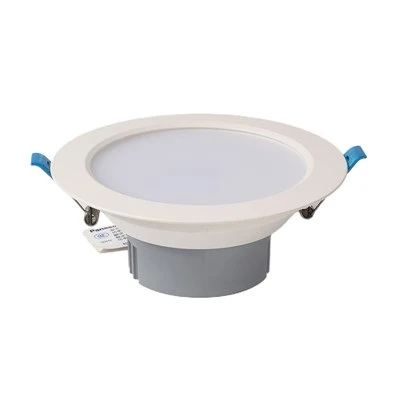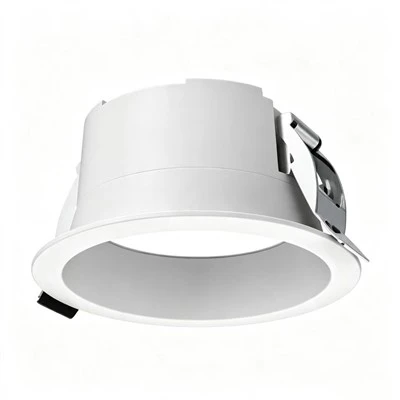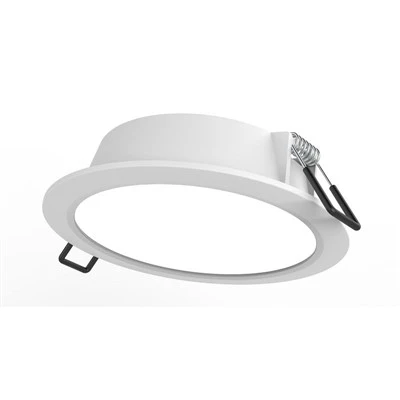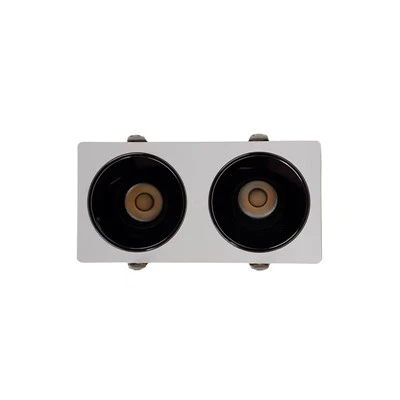

With continuous advancements in LED lighting technology, the structural design of LED ceiling lights has been constantly improved through optimized component integration and advanced manufacturing processes. These improvements enhance lighting efficiency, product reliability, and service life, making LED ceiling lights an important lighting solution for residential, commercial, office, and public environments.
The overall structure of an LED ceiling light typically consists of several key components, including the LED light module, driver power supply, thermal management system, light-guiding components, diffuser, and housing. These elements work together to ensure stable operation and consistent lighting performance. As the core component, the LED module converts electrical energy into light energy through high-efficiency semiconductor chips, delivering reliable and uniform illumination. Compared with traditional light sources, LED technology offers lower energy consumption, faster response, and longer operational life.
The driver power supply is one of the most important structural components of an LED ceiling light. Since LED chips require a stable current to maintain optimal performance, the driver converts incoming voltage into a suitable and consistent electrical output. A high-quality driver system helps reduce current fluctuations, prevent flickering, protect the LED module, and improve the overall safety and reliability of the fixture.
Thermal management is another essential feature of LED ceiling light design. Although LEDs are highly energy efficient, they still generate heat during operation. Without effective heat dissipation, excessive temperatures may affect performance and shorten product lifespan. Modern LED ceiling lights commonly use aluminum heat sinks, thermal conductive materials, and optimized internal airflow designs to improve cooling efficiency, reduce component temperatures, and ensure long-term stable operation.
The optical structure also plays a significant role in lighting quality. LED ceiling lights are often equipped with high-transmittance diffusers, light-guiding panels, or specially designed optical components to distribute light evenly and reduce glare. Through optimized optical design, these fixtures provide softer and more comfortable illumination, improving the overall visual experience of indoor spaces.
In addition, modern LED ceiling lights focus on lightweight construction, aesthetic appearance, and convenient installation. Their simple and elegant designs allow them to complement different interior styles while making installation and maintenance easier. Some products adopt modular structures, enabling easier replacement and upgrading of components such as light sources and drivers, thereby extending the product lifecycle.
Industry experts believe that future LED ceiling lights will continue to develop toward higher efficiency, smarter functionality, and more modular designs. Driven by innovations in smart lighting technology, advanced materials, and manufacturing processes, LED ceiling lights will provide more reliable, energy-saving, and intelligent lighting solutions for modern architectural environments.