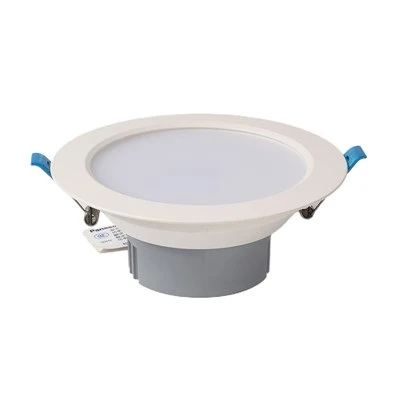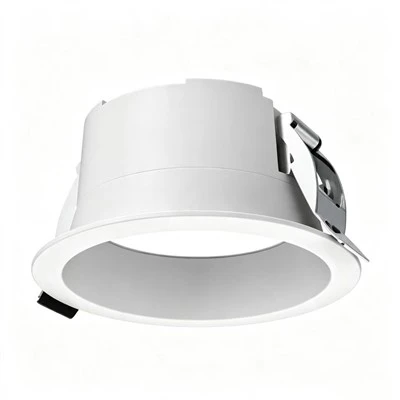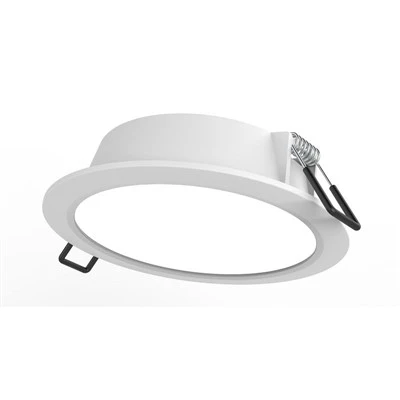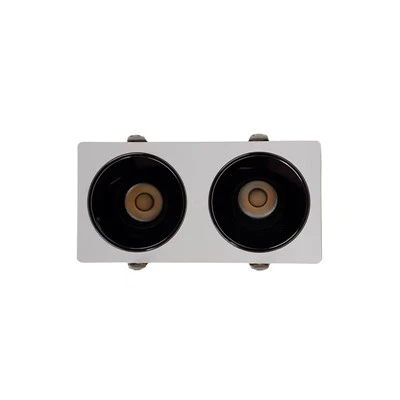

As LED lighting technology continues to evolve, LED downlights have become an essential lighting solution for a wide range of architectural applications. Their energy efficiency, clean appearance, easy installation, and reliable performance make them suitable for residential, commercial, office, and public environments. With increasing demand for high-quality and sustainable lighting, LED downlights are playing an increasingly important role in modern building design.
In residential settings, LED downlights are widely installed in living rooms, bedrooms, kitchens, dining areas, and hallways. Their recessed design integrates seamlessly into ceilings, creating a clean and modern appearance while saving interior space. They provide soft and uniform illumination that enhances comfort and supports a variety of daily activities. Different color temperatures and brightness levels also allow homeowners to create lighting environments that suit relaxation, dining, reading, or entertainment.
Commercial facilities are another major application area for LED downlights. Shopping malls, retail stores, hotels, and exhibition halls rely on high-quality lighting to improve product presentation and enhance the customer experience. With multiple beam angles and excellent color rendering performance, LED downlights help highlight merchandise, create visual depth, and establish an attractive atmosphere that supports commercial activities.
In office environments, LED downlights contribute to productive and comfortable workplaces. Modern offices require lighting that minimizes glare while maintaining consistent brightness throughout the workspace. High-performance LED downlights provide balanced illumination that reduces eye strain and supports employee well-being. Many advanced models also feature dimming capabilities and intelligent lighting controls, enabling efficient energy management and flexible lighting configurations.
LED downlights are also extensively used in hospitals, schools, libraries, airports, subway stations, and other public facilities. Their dependable performance, long lifespan, and low maintenance requirements make them ideal for locations that operate for extended hours. By selecting fixtures with appropriate power ratings and lighting characteristics, building managers can create safe, comfortable, and energy-efficient environments for visitors and staff alike.
Industry experts believe that ongoing advancements in smart lighting technologies, energy-efficient design, and optical performance will continue to expand the applications of LED downlights. As sustainable construction and intelligent buildings become increasingly common, LED downlights are expected to remain a key component of modern lighting systems, delivering efficient, reliable, and high-quality illumination across a wide variety of spaces.