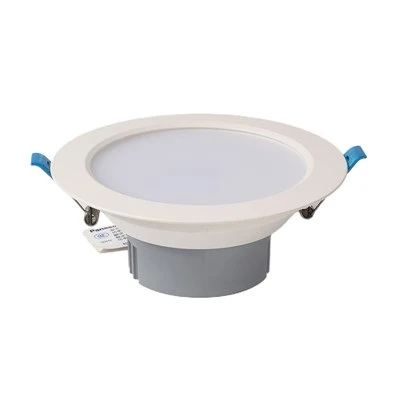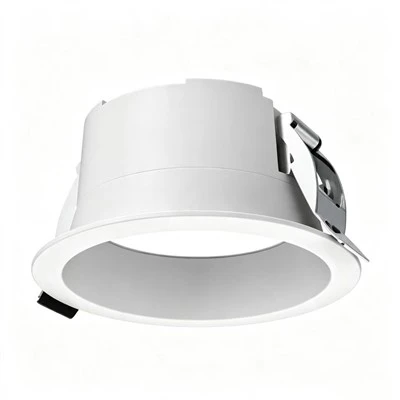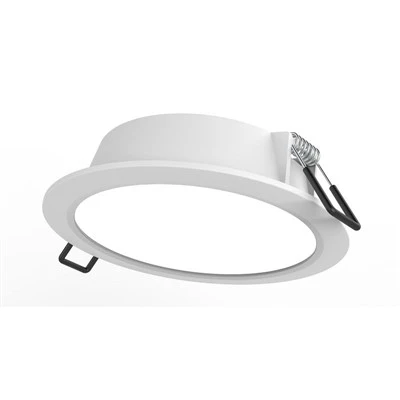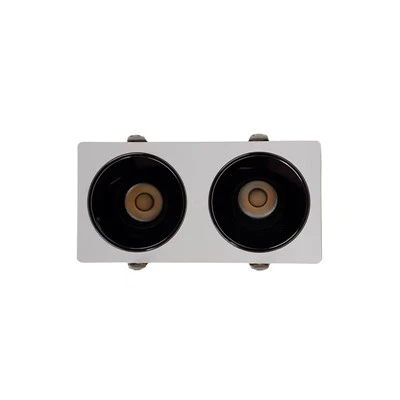

With the continuous advancement of lighting technology and increasing demand for high-quality living environments, LED ceiling lights have become a widely used lighting solution in residential, office, commercial, and public spaces. As an important part of modern lighting systems, LED ceiling lights not only provide essential illumination but also enhance interior aesthetics and improve overall lighting experiences.
An LED ceiling light is an indoor lighting fixture that uses light-emitting diodes (LEDs) as its primary light source and is mounted directly onto the ceiling surface. Because the fixture is installed close to the ceiling structure, it is commonly referred to as a ceiling light. Compared with traditional ceiling fixtures, LED ceiling lights use advanced semiconductor lighting technology to achieve higher energy efficiency, longer service life, and more stable illumination performance, making them an increasingly popular replacement for conventional lighting products.
From a structural perspective, an LED ceiling light typically consists of several key components, including an LED light module, driver power supply, thermal management system, light-guiding structure, diffuser, and housing. The LED module serves as the core component responsible for producing light, while the driver converts incoming electrical power into a stable current suitable for LED operation. The thermal management system helps release heat generated during operation, improving reliability and extending the product lifespan.
One of the major characteristics of LED ceiling lights is their easy installation and wide range of applications. Since they are mounted directly onto ceiling surfaces without requiring complex suspension structures, they are suitable for various indoor environments, including living rooms, bedrooms, dining areas, offices, meeting rooms, hotels, and commercial spaces. Their simple and elegant designs allow them to blend naturally with different interior styles while providing both functional lighting and decorative value.
With the rapid growth of smart lighting technology, modern LED ceiling lights now offer more advanced features. Many products support brightness adjustment, color temperature control, remote operation, scheduled lighting, and integration with smart home systems. These functions allow users to customize lighting according to different situations while improving convenience and energy efficiency.
Industry experts believe that LED ceiling lights will continue to evolve toward higher efficiency, smarter control, modular design, and greater customization. As green buildings and intelligent living concepts become more widespread, LED ceiling lights will play an increasingly important role in modern lighting solutions, delivering more comfortable, energy-saving, and intelligent illumination experiences for users worldwide.