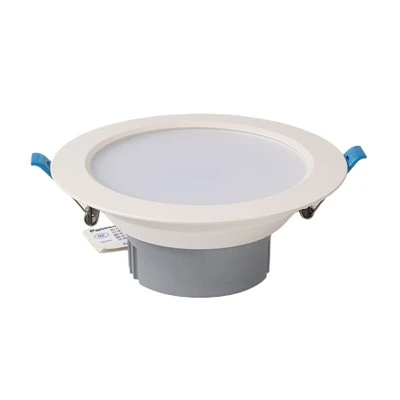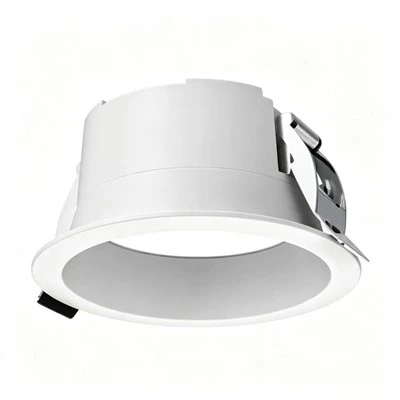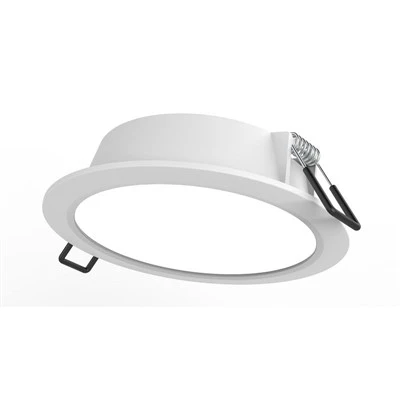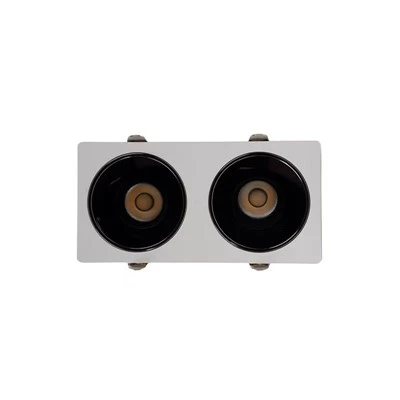


Do household emergency lights have a strobe function? This is a question that often comes up when people are considering purchasing emergency lighting for their homes. As a supplier of Household Emergency Light, I've had numerous discussions with customers about the features and benefits of different emergency lights, including the strobe function. In this blog, I'll explore whether household emergency lights typically have a strobe function, the advantages and considerations of such a feature, and how to choose the right emergency light for your home.
The Prevalence of Strobe Function in Household Emergency Lights
Strobe functions in emergency lights are not as common in household settings as they are in commercial or industrial applications. In commercial buildings, strobe lights are often required by fire codes to alert people with hearing impairments during a fire or other emergency. However, for homes, the need for a strobe function is not as strictly regulated, and it depends on the specific preferences and needs of the homeowner.
Some manufacturers do offer household emergency lights with a strobe function. These lights can be especially useful in certain situations, such as in large homes where it may be difficult to hear traditional alarm bells or in homes with individuals who have hearing difficulties. The strobe light can provide a visual signal that there is an emergency, enhancing overall safety.
Advantages of a Strobe Function in Household Emergency Lights
Enhanced Visibility
One of the primary advantages of a strobe function is its high visibility. The rapid flashing of the strobe light can cut through smoke, darkness, and other visual obstructions, making it easier for occupants to locate the emergency exit or the source of the light. In a fire, for example, smoke can quickly fill a room, reducing visibility to almost zero. A strobe light can act as a beacon, guiding people to safety.
Attention-Grabbing
The intense and intermittent light of a strobe is highly attention-grabbing. It can startle people awake in the middle of the night or draw their attention from different parts of the house. This is particularly important in emergencies when every second counts, as it ensures that everyone in the home is alerted to the danger as quickly as possible.
Complementary to Auditory Alarms
For households with individuals who are hard of hearing or deaf, a strobe light can be a crucial addition to auditory alarms. While traditional smoke detectors and emergency alarms rely on sound to alert occupants, a strobe light provides a visual alternative, ensuring that no one is left unaware of the emergency.
Considerations When Choosing a Strobe-Equipped Household Emergency Light
Power Source
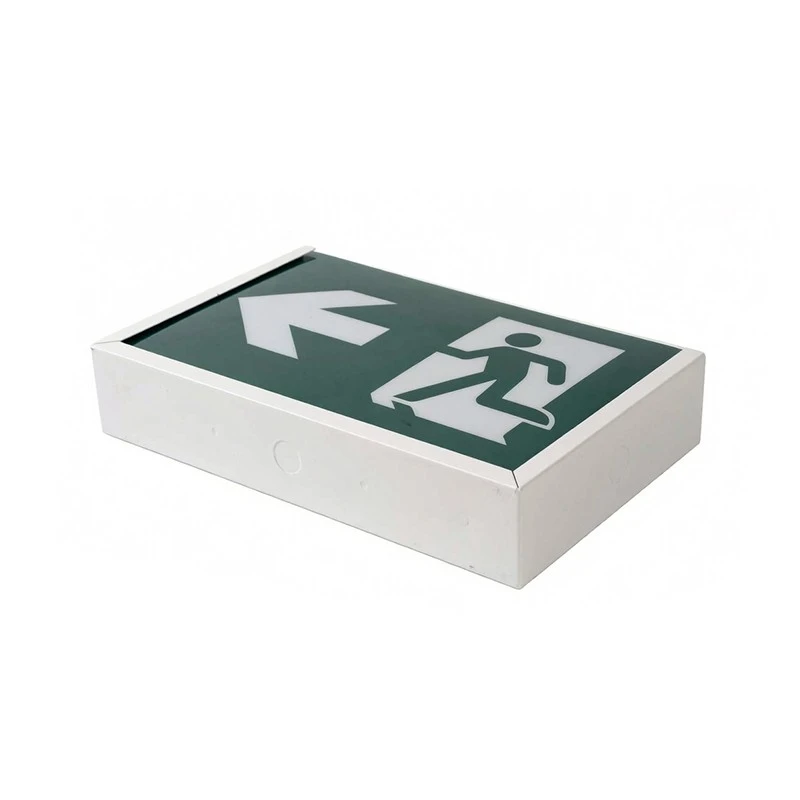
Emergency lights can be powered by various sources, including batteries, mains electricity, or a combination of both. When considering a strobe-equipped emergency light, it's important to choose a reliable power source. Battery Only Exit Signs are a popular option for areas where there is no access to mains electricity. These signs are typically powered by rechargeable batteries, ensuring that they remain operational during a power outage. Self-powered exit signs, on the other hand, have their own built-in power source and do not require an external connection. They are a convenient option for areas where wiring may be difficult or impractical.
Brightness and Flash Rate
The brightness and flash rate of the strobe light are important factors to consider. A brighter strobe light will be more visible, especially in large rooms or areas with high levels of ambient light. The flash rate should also be appropriate for the application. Too slow a flash rate may not be as attention-grabbing, while too fast a rate can cause discomfort or even seizures in some individuals.
Durability and Reliability
Emergency lights are designed to be used in critical situations, so they need to be durable and reliable. Look for lights that are made from high-quality materials and have been tested to meet relevant safety standards. Fire Rated Emergency Light are specifically designed to withstand the extreme conditions of a fire, ensuring that they continue to function when it matters most.
Placement and Coverage
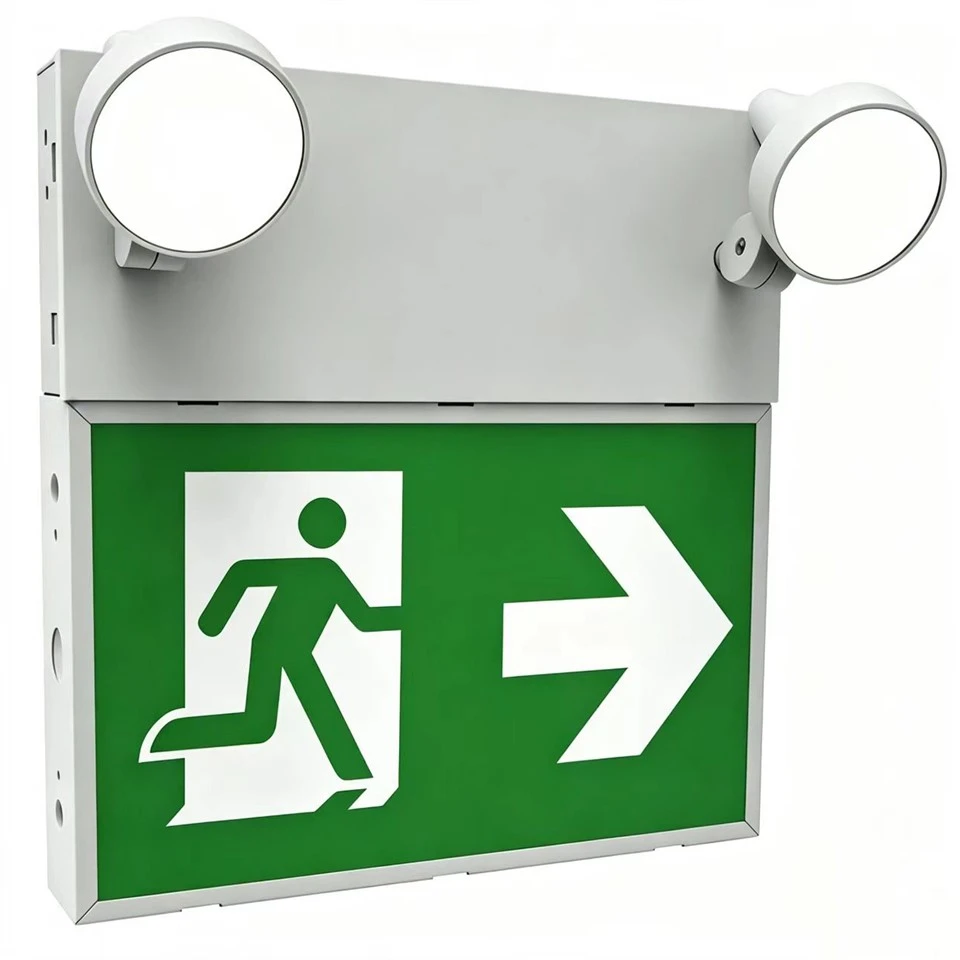
Proper placement of emergency lights is crucial for their effectiveness. Strobe-equipped emergency lights should be placed in strategic locations throughout the home, such as near exits, stairways, and bedrooms. Consider the layout of your home and ensure that the lights provide adequate coverage. Dual-head emergency lights, such as Dual Head Emergency Light, can be a good option as they can provide wider coverage and can be adjusted to focus the light in the desired direction.
How to Choose the Right Household Emergency Light
Assess Your Needs
Before purchasing an emergency light, it's important to assess your specific needs. Consider the size and layout of your home, the number of occupants, and any special requirements, such as the presence of individuals with hearing difficulties. This will help you determine the type of emergency light and the features that are most suitable for your situation.
Research Different Models
There are many different models of household emergency lights available on the market. Research different brands and models to find the one that offers the features and performance you need at a price that fits your budget. Read customer reviews and testimonials to get an idea of the reliability and effectiveness of the lights.
Check for Certifications
Make sure that the emergency light you choose has been certified by a recognized testing agency. This ensures that the light meets the relevant safety standards and has been tested for reliability and performance. Look for certifications such as UL (Underwriters Laboratories) or CE (Conformité Européene).
Consider Maintenance Requirements
Emergency lights require regular maintenance to ensure that they remain in good working condition. Consider the maintenance requirements of the light, such as battery replacement or testing procedures. Choose a light that is easy to maintain and that comes with clear instructions on how to perform the necessary maintenance tasks.
Conclusion
In conclusion, while not all household emergency lights have a strobe function, it can be a valuable addition to your home's safety system. The strobe function provides enhanced visibility, is attention-grabbing, and can be complementary to auditory alarms, especially for individuals with hearing difficulties. When choosing a strobe-equipped household emergency light, consider factors such as the power source, brightness and flash rate, durability and reliability, and placement and coverage. By assessing your needs, researching different models, checking for certifications, and considering maintenance requirements, you can choose the right emergency light for your home.
If you're interested in purchasing high-quality household emergency lights or have any questions about our products, we invite you to contact us to discuss your specific requirements. We're here to help you find the best solution for your home's safety needs.
References
- National Fire Protection Association. (Year). NFPA 101: Life Safety Code.
- Underwriters Laboratories. (Year). UL 924: Standard for Emergency Lighting and Power Equipment.
- International Electrotechnical Commission. (Year). IEC 60598-2-22: Luminaires - Part 2-22: Particular requirements - Emergency lighting.